

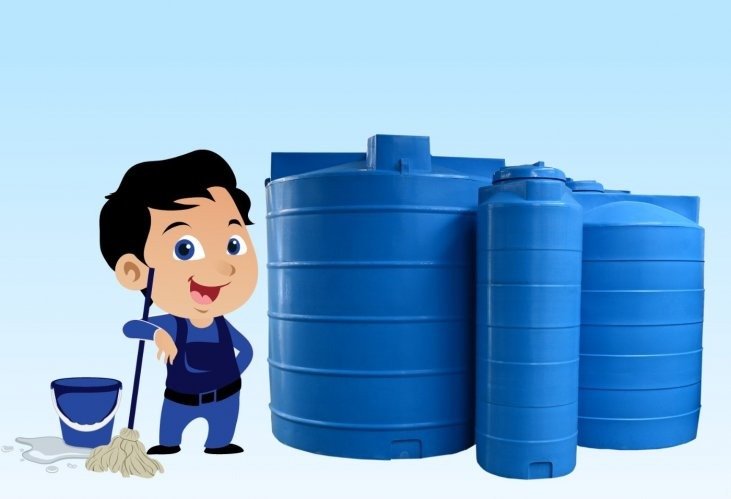
We often take clean water for granted. It flows effortlessly from our taps, ready for drinking, cooking, bathing, and countless other daily uses. But have you ever stopped to consider where that water is stored before it reaches your home here in Dubai?
In most buildings across the city, your water first passes through large storage tanks. While the municipal water supply is rigorously treated and safe at its source, the cleanliness of these tanks is paramount to ensuring the water you use every day remains truly healthy and pure. Neglected water tanks pose an “unseen threat” – a potential breeding ground for contaminants that can compromise your well-being.
This guide aims to educate Dubai residents on why professional water tank cleaning isn’t just a recommendation, but a crucial necessity for a healthier home.
The Hidden Dangers Lurking in Your Water Tank
Over time, even the most pristine water tanks can accumulate various substances. These accumulations can turn your water storage into a potential health hazard:
- Sediment, Dust, and Debris: Dubai’s environment, with its occasional sandstorms and construction activity, means dust and airborne particles can find their way into storage tanks. Over time, these settle at the bottom, creating a murky layer.
- Biofilm: This is perhaps the most insidious threat. Biofilm is a slimy layer of microorganisms – including bacteria, algae, and fungi – that adheres to the inner surfaces of the tank. It provides a protective environment for these microbes to multiply.
- Rust and Corrosion: As tanks age, or if they are not made of appropriate materials, rust and corrosion can occur. These metallic particles can leach into the water and provide surfaces for bacterial attachment.
- Pests: Although less common with well-sealed tanks, insects, rodents, or even birds can sometimes gain access, introducing contaminants and pathogens.
What to warn residents about: The Health Risks of Contaminated Water
When these contaminants proliferate, the water in your tank can become a breeding ground for harmful pathogens, leading to various health issues:
- Waterborne Diseases: Contaminated water can transmit serious diseases caused by bacteria like E. coli, Salmonella, Shigella, and Legionella (responsible for Legionnaires’ disease). Symptoms can range from mild gastrointestinal upset (diarrhea, nausea, vomiting) to severe infections, skin irritations, and even life-threatening respiratory problems.
- Unpleasant Water Quality: Beyond health risks, neglected tanks can significantly degrade your water quality. You might notice:
- An unusual or metallic taste.
- A musty or chlorine-like odor that doesn’t dissipate.
- Discoloration – water appearing yellow, brown, or cloudy.
- Damage to Plumbing and Appliances: The accumulation of sediment and rust can also wreak havoc on your home’s infrastructure. It can clog pipes and filters, reduce water pressure, and significantly shorten the lifespan of water-using appliances like water heaters, washing machines, and dishwashers, leading to costly repairs.
When to Schedule: Dubai Municipality Guidelines and Beyond
Thankfully, Dubai understands the critical importance of clean water. The city has established clear guidelines to protect its residents:
- Dubai Municipality Regulations are Mandatory: All residential and commercial properties in Dubai must have their water storage tanks cleaned and disinfected at least every six months. This isn’t just a suggestion; it’s a legal requirement aimed at safeguarding public health.
- Documentation and Approved Professionals: Building owners and managers are required to maintain detailed records of these cleaning sessions, including dates, methods used, and information about the service provider. Crucially, only licensed and Dubai Municipality-approved companies are permitted to carry out water tank cleaning to ensure proper procedures and safe disinfectants are used.
- Post-Cleaning Water Testing: After cleaning, especially for larger residential and commercial properties, water testing for bacterial contamination is often mandatory to confirm the water’s safety and compliance with health standards.
Beyond the Six-Month Mark: Signs Your Water Tank Needs Immediate Attention
While the six-month rule is crucial, certain indicators might suggest your water tank needs cleaning sooner:
- Visible Particles: If you notice sediment, rust flakes, or any other particles in your water when you fill a glass.
- Changes in Taste or Smell: A sudden metallic, earthy, or foul taste, or a persistent musty odor.
- Discolored or Cloudy Water: Water that appears yellowish, brown, or unusually cloudy.
- Unexplained Health Issues: If family members suddenly experience recurring gastrointestinal issues or skin irritations without an obvious cause.
- Reduced Water Pressure: While not always tank-related, severe sediment buildup can impact flow.
Factors that might warrant more frequent cleaning:
- Older Buildings/Tanks: Older infrastructure may be more prone to corrosion and sediment buildup.
- High Water Consumption: Tanks with higher turnover might still accumulate debris.
- After Significant Sandstorms: If your tank is exposed to the elements, heavy sandstorms can introduce more particulate matter.
- During Hotter Summer Months: Elevated temperatures can accelerate the growth of microorganisms if the tank is not properly maintained.
What Professional Water Tank Cleaning Involves
Professional water tank cleaning is a specialized process designed to thoroughly cleanse and disinfect your tank, restoring water quality. Here’s what you can expect:
- Initial Inspection: The cleaning team will first assess the tank’s condition, identifying any visible issues.
- Water Supply Isolation and Draining: The tank’s water supply is shut off, and the tank is completely drained. This is usually done with minimal disruption to your daily water supply, as buildings often have multiple tanks or bypass systems.
- Sludge and Sediment Removal: High-powered vacuums and specialized tools are used to meticulously remove all accumulated sludge, sediment, and debris from the tank floor.
- High-Pressure Cleaning and Scrubbing: The interior walls and ceiling of the tank are thoroughly scrubbed and cleaned using high-pressure jet washers to remove stubborn biofilm, algae, and deposits.
- Final Vacuuming: Any remaining dirty water or loose particles are removed, leaving the tank spotless.
- Disinfection/Sanitization: Approved, non-toxic, and eco-friendly disinfectants (often a precisely measured chlorinated solution or UV treatment) are applied to eliminate any remaining bacteria, viruses, and other pathogens.
- Thorough Rinsing: The tank is then meticulously rinsed multiple times to ensure all disinfectant residues are completely flushed out.
- Refilling: Once clean and rinsed, the tank is refilled with fresh, clean water from the municipal supply.
- Post-Cleaning Water Quality Testing: Reputable companies will often conduct or arrange for post-cleaning water quality tests to confirm that the water meets Dubai Municipality’s stringent safety and purity standards.
Why DIY is Not Recommended:
Attempting to clean a water tank yourself is strongly discouraged for several reasons:
- Lack of Specialized Equipment: Achieving a truly thorough clean requires specific tools for high-pressure washing, sludge removal, and disinfection.
- Incomplete Disinfection: Without the right chemicals and knowledge, you risk incomplete disinfection, leaving harmful pathogens behind.
- Safety Hazards: Confined spaces, potential for slips, and working with chemicals can be dangerous.
- Regulatory Non-Compliance: Dubai Municipality regulations mandate that only approved professionals perform this service.
Empowering Residents: What You Can Do
While professional cleaning is essential, there are steps you can take as a resident to contribute to better water hygiene and awareness:
- Inquire About Your Building’s Schedule: Don’t hesitate to ask your building management about their water tank cleaning schedule. Ask for confirmation of recent cleanings and inquire about the company used. Transparency is key.
- Observe Your Water Regularly: Make it a habit to periodically check your water for any unusual changes in taste, smell, or appearance. Early detection can prevent larger issues.
- Secure Villa Tank Access (if applicable): If you live in a villa with your water tank, ensure its covers are tightly sealed and inspect them periodically, especially after sandstorms, to prevent external contamination.
- Maintain Your Internal Filters: If you have individual water filters (e.g., under-sink or whole-house), remember to clean or replace them according to the manufacturer’s instructions.
- Report Issues Promptly: If you notice any of the “immediate cleaning” signs discussed earlier, report them to your building management or a professional cleaning service immediately.
- Educate Others: Share this crucial information with your friends, family, and neighbors in Dubai. Raising collective awareness benefits everyone’s health.
A Clear Choice for a Healthy Home
Regular, professional water tank cleaning is more than just a maintenance task; it’s a vital component of public health and safety in Dubai. By understanding the potential “unseen threats” of neglect and the comprehensive benefits of professional cleaning, you can ensure that the water flowing into your home is consistently safe, clean, and healthy.
Be proactive about your water quality. Ask questions, observe your water, and ensure your building adheres to Dubai Municipality’s mandated cleaning schedules. Your health and the health of your loved ones depend on it.